

Gum Grafting Kelowna
Bone Grafting Kelowna
What Is Bone Grafting?
When a tooth is lost due to trauma or extraction, the surrounding bone is no longer needed, and your body will start resorbing and remodelling it. Unfortunately, this bone loss can make future implant placement difficult. To prevent this, we can perform a procedure called "socket preservation" at the time of the tooth removal.
How Does It Work?
A bone grafting technique known as allograft is used to fill the socket left by the extracted tooth. This graft acts as a scaffold, helping your body regenerate bone and minimizing the amount lost after extraction. If you’re considering a future implant placement, we highly recommend this procedure to keep the bone healthy.
Dr. Sanders will explain everything to you during your visit. If a tissue graft or bone grafting is needed, we'll ensure you’re fully informed about the process and its benefits.
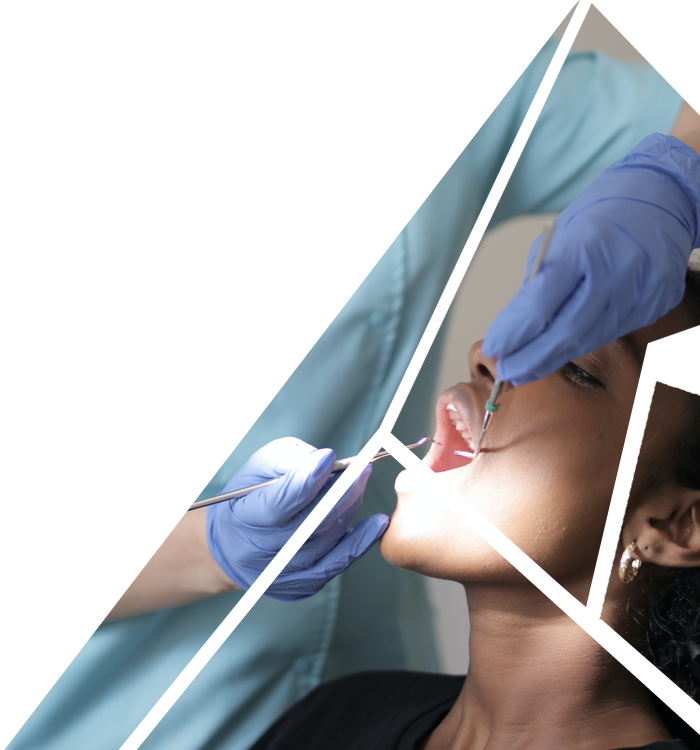
Gum Grafting
When gum recession happens due to aggressive brushing, aging, or gum disease, a gum grafting procedure can help restore gum health and cover the exposed roots. Depending on your situation, we offer two types of grafting techniques:
Connective-Tissue Grafts
This is the most common method for treating root surface exposure. A small flap of skin is cut from the roof of the mouth, and gum tissue from underneath is stitched to the area with exposed roots. Alternatively, we can use Alloderm, a tissue bank product, to avoid harvesting from your palate.
Free Gingival Grafts
Similar to connective-tissue grafts, but here, we remove a small piece of tissue directly from the roof of the mouth and attach it to the area needing more gum coverage. This method works well for patients with thinner gums needing additional support.
Both methods protect the tooth from further damage and improve your gum health. So, if you’ve noticed your gums receding, don’t worry — we’ve got you covered (literally).
Platelet-Rich Fibrin Therapy
Here at Knox Mountain Dentistry, we also offer Platelet-Rich Fibrin (PRF) therapy, an advanced technique for improving wound healing. By using your own blood, we can speed up healing for procedures like gum grafting and socket preservation. The results are faster recovery and less discomfort. We’ll make sure you’re completely comfortable with this innovative treatment. Yes, it requires a few vials of blood, but trust us, it’s worth it for quicker healing!
Sinus Lift Grafting
A sinus lift may be necessary for those looking at implant placement in the upper jaw. If the bone in the upper jaw has thinned out due to long-term tooth loss, this procedure moves the sinus membrane up and adds bone underneath, creating the support needed for your implant. And the best part? We often perform this procedure during your implant surgery, saving you an extra trip to the office.