

parallax background

Dental Implants Kelowna


Kelowna Dental Implants

Titanium Implants

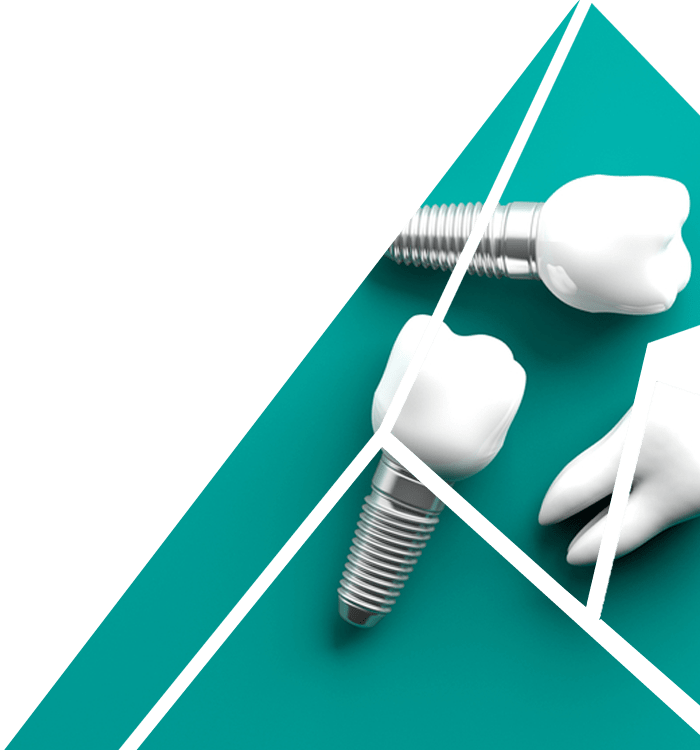
The discovery that titanium metal is biologically compatible with bone changed the face of dentistry forever. Needless to say, we very much enjoy doing work with implants here at Knox Mountain Dentistry! A dental implant is basically a small titanium “screw” that is placed in bone and allowed to integrate. Once integrated, these implants become fused to the bone and these versatile prosthetics can be used to support a crown, bridge or denture, giving incredible support and life-long stability to the restoration.
 

How Does It Work?

Dental implants work in two stages. In the first stage, the implant is placed in the bone and left to integrate for several months. Once this phase is complete, then your implant is ready to be restored. Your dental professional will take an impression of your teeth and dental implant and have your new crown or bridge fabricated. This generally takes two weeks to complete, at which point you will receive the completed prosthetic.

Are Implants Right For Me?

If you are wondering if dental implants are the best treatment option for you, a consultation with one of our dental professionals is required. At this appointment, x-rays and clinical exam will be performed to assess the quality and quantity of bone present at the proposed implant site. If there is inadequate bone, additional bone grafting procedures may be required before an implant can be successfully placed. We will also be happy to discuss alternatives to implants so that you are fully informed as to your treatment options.

Everything You Need To Know About Dental Implants

Dental Implants are special posts which are surgically placed into the jawbone to replace missing teeth or to support a denture. The implant functions as the root of a tooth and, depending on the number of implants placed, it can be used to replace everything from a single tooth to a full completment of teeth. It takes an average of 3-6 months for the jawbone to integrate with the implant before it can be used to support a dental restoration.

FAQs About Dental Implants

1What materials are used in a Dental Implant?
The most common material used for a dental implant is titanium or a titanium alloy. Ceramic may also be used in patients wishing to have a non-metallic option.
2 What are the risks associated with a Dental Implant?
There is always a small chance that the dental implant will fail to integrate with the jawbone and have to be removed. Certain medical conditions can put you at a higher risk for implant failure. As with any surgery, there is a potential risk of surgical complications when placing a dental implant. Improperly positioned dental implants can make it difficult–if not impossible–to place a useful dental restoration in the mouth. Implant-supported restorations do not have the same feeling as a normal tooth, and it is possible to put too much pressure on them when chewing, leading to damage of the implant restoration or opposing tooth.
3Can a bite affect Dental Implant placement?
If you have a misaligned bite, the restorations placed on the dental implants will be at greater risk for fracture or failure. Proper alignment of the teeth prior to dental implant placement leads to a more esthetic result. Bite and tooth alignment problems should be addressed prior to dental implant placement.
4What are the benefits of having a Dental Implant placed?
There are many benefits to having an implant placed. A missing tooth can be replaced without cutting down the adjacent healthy teeth, as is required when placing a bridge. Implants allow the dentist to replace missing teeth even when a bridge is not an option. Dental implants can provide a more stable base for a denture, particularly in the lower jaw. Dental implants help to preserve and maintain healthy jawbone in the area of the missing tooth or teeth. With proper home care and maintenance, dental implants can restore your smile and chewing ability for a lifetime.
5What is the alternative to replacing a missing tooth with a Dental Implant?
Bridges, dentures, or partial dentures can replace missing teeth without requiring implants. The missing tooth or teeth can also be left without replacement. This, however, can lead to other problems such as an unstable bite or unwanted movement of the surrounding teeth.
6 Are there any post-treatment limitations once I have a Dental Implant placed?
You should be careful not to disturb the surgical site immediately after dental implant placement. This means no chewing on the side of the implant and careful cleaning methods for several weeks to a month. The dental implant takes several months to totally fuse to the jaw, so fewer disturbances to the area means a higher success rate. If you have a temporary denture to replace your missing dentition, it is important that the denture does not rub on the surgical site.

We've brought on new dental technology to serve you better

3D Printer:

3D printing in the dental realm has expanded dramatically in the past couple of years. Through these advancements, a new era of dentistry has begun that has opened the doors to many new treatment options that were not previously possible, including no-prep 3D printed veneers, 1-day dentures and complete digital control of the smile makeover process.

Dental Mill:

Sometimes tried and true conventional materials are the way to go, and for times like that we have our amazing in-office dental milling machine. This machine is able to produce beautiful and high-quality dental crowns for our patient's from large pucks of raw zirconia material. It's really an amazing piece of equipment and we are always in awe watching it go to work.

If you would like to learn more about Dental Implants, call our Kelowna office and book a consultation with Dr. Sanders.