
Top 5 Things to Know When Choosing a Family Dentist
October 23, 2025
How to Overcome Dental Anxiety: Tips from Our Dental Team
November 24, 2025Baby teeth are small, but they actually play a big role in your child’s growth and development. Many parents wonder: why do we have baby teeth? These early teeth, also called primary teeth, are essential for chewing, speaking, and forming healthy permanent teeth. Taking care of them from the start sets the stage for lifelong oral health.
What Are Baby Teeth?
Baby teeth, sometimes called primary teeth, are the first set of teeth that children develop. Most children start teething around six months of age. The first teeth to appear are usually the central incisors, or front teeth. These teeth help children bite and chew soft foods as they grow.
A full set of baby teeth usually includes 20 teeth. They serve a critical purpose until permanent teeth start to develop, which often begins around age six. By this time, children gradually lose their primary teeth, making room for adult teeth.
Why Do We Have Baby Teeth?
Baby teeth serve several important functions.
First, they help children learn to chew and speak properly. Without these teeth, eating a variety of foods and forming words can be difficult.
Second, primary teeth act as placeholders for permanent teeth. Each baby tooth holds the space for an adult tooth underneath. If a child loses a baby tooth too early due to decay or injury, in many cases, the permanent tooth may come in crooked or crowded.
Proper care of primary teeth ensures that permanent teeth have the space to grow correctly.
Finally, baby teeth support the development of the jaw and facial muscles. They encourage proper growth of the mouth and help guide permanent teeth into the right position. In short, primary teeth are not just temporary by design. They form an essential foundation for a healthy smile that your baby will carry with them over the course of their life.
When Do You Start to See Baby Teeth? A Timeline
Teeth start appearing around six months, usually beginning with the lower central incisors.
Between six months and three years, most children develop their full set of 20 primary teeth. These include central incisors, lateral incisors, canines, and molars.
Children usually start losing baby teeth around age six. This process continues until roughly age twelve, when the last primary teeth eventually fall out. The adult teeth that replace them are larger, stronger, and permanent. The transition from baby teeth to permanent teeth is an important stage in teeth development.
Caring for Baby Teeth: What Many Parents Don’t Know
Even though primary teeth will eventually fall out, taking care of them is essential. It’s not a step to be skipped or a part of your child’s health to overlook.
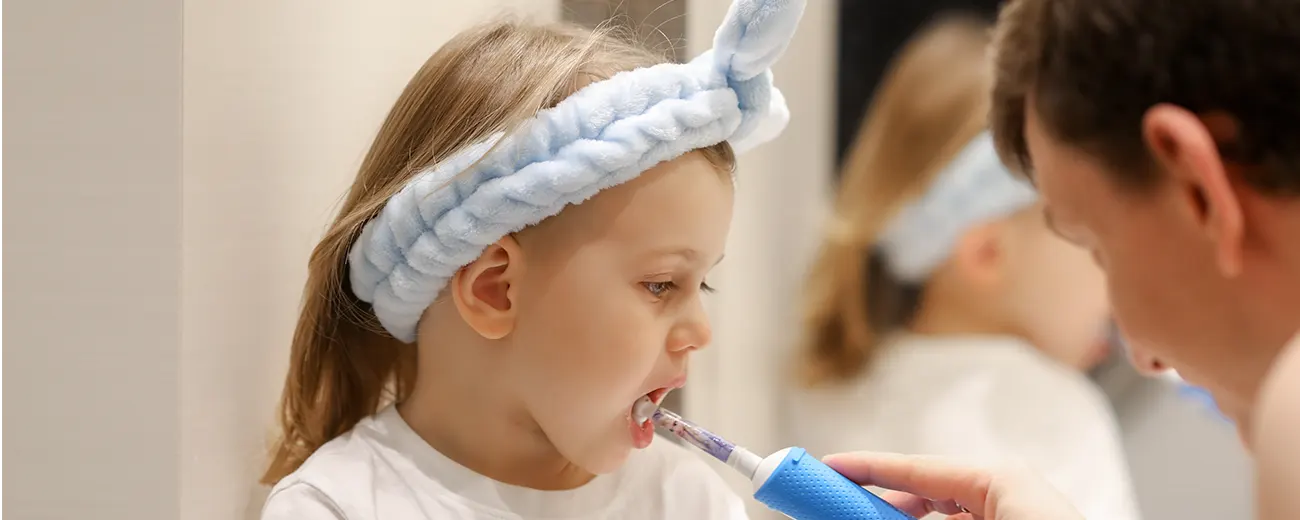
Cavities or infections in baby teeth can affect a child’s overall oral health. This is why it’s recommended to brush twice a day, floss, and schedule regular visits to a pediatric dentist. This all helps maintain healthy teeth and gums.
A pediatric dentist can guide parents on the best ways to care for their child’s teeth at each stage. They can check the alignment of teeth, monitor growth and development, and provide tips to reduce the risk of decay. Early dental care also helps children feel comfortable at the dentist, making future visits easier.
Common Questions About Baby Teeth
Why do some children lose teeth early?
Primary teeth can fall out early due to injury, decay, or dental issues. A pediatric dentist can assess the cause and ensure that permanent teeth will grow properly.
Do baby teeth matter if they will fall out?
Absolutely. Baby teeth serve many critical functions, including supporting speech, nutrition, and the proper alignment of permanent teeth. Neglecting them can lead to dental problems later in life.
How can I help my child care for their teeth?
Encourage brushing and flossing from the first tooth. Schedule regular dental checkups. Use child-friendly toothpaste and maintain a healthy diet. These steps protect both primary and future permanent teeth.
The Connection Between Baby Teeth and Permanent Teeth
Every child’s smile depends on healthy baby teeth. If a primary tooth is lost too soon, the adult tooth may shift, leading to crowding or misalignment. Caring for baby teeth ensures that permanent teeth can emerge straight and healthy. Permanent teeth are larger and stronger, but they rely on the guidance of primary teeth for proper placement. Children with well-cared-for baby teeth often experience smoother growth and development, fewer dental procedures, and more confidence in their smiles.
Schedule a Visit With a Pediatric Dentist at Knox Mountain Dentistry Today
Baby teeth are much more than placeholders. They are essential for chewing, speaking, and supporting healthy jaw growth over the earliest months and years of a child’s life. Early dental care by way of a skilled pediatric dentist helps children maintain their primary teeth, encouraging proper teeth development and preventing issues that could affect adult teeth.
At Knox Mountain Dentistry, we strongly recommend that parents encourage brushing, flossing, visiting a pediatric dentist regularly, and encouraging healthy habits. Remember, a child’s first teeth are the foundation for a lifetime of smiles. Taking care of baby teeth is an investment in your child’s future oral health.
Baby teeth matter. Are you ready to schedule your child’s first dentist visit? Contact us and our team can set you up with an appointment to speak with a pediatric dentist to outline next steps on how to care for your child’s baby teeth.